
(Akiit.com) A few years back, most people thought telehealth was just a gimmick. Sure, it might save a trip to the doctor for something minor, but nobody really took it seriously as actual healthcare. Fast forward to today, and millions of people can’t imagine managing their health without it.
The change happened so quickly that even healthcare workers were caught off guard. What started as a backup option for simple stuff has turned into something people genuinely depend on for regular medical care.
When Everything Changed
The shift wasn’t gradual – it was more like a switch got flipped. Rural areas had been struggling with doctor shortages for years. People were driving hours just to get basic medical attention. Busy workers kept putting off appointments because taking time off work was such a hassle. Parents couldn’t figure out how to get kids to the doctor without turning their whole day upside down.
These weren’t small problems. They were real barriers keeping people from getting healthcare when they needed it. Lots of health issues just went ignored because seeing a doctor was too much trouble.
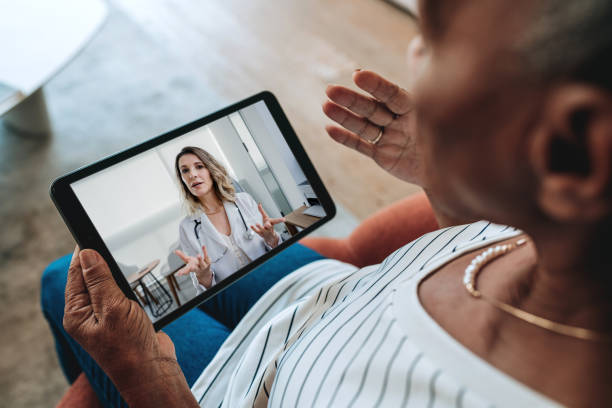
When telehealth started becoming more available, people discovered they could handle way more medical stuff from home than anyone expected. Places offering comprehensive Telehealth GP consultations let people get prescriptions, talk through symptoms, get medical certificates, even manage ongoing health conditions without leaving the house. For many folks, this was the difference between getting care and just hoping problems would go away on their own.
Rural Areas Got Hit Hard, Then Saved
Rural communities saw the biggest change. People who used to spend half a day traveling for a fifteen-minute appointment could suddenly talk to doctors from their kitchen table. This wasn’t just about convenience – it was about making healthcare physically possible for people with no other realistic options.
Small towns that lost their clinics found telehealth filled the gap better than anyone expected. Older folks who couldn’t drive long distances anymore stayed connected with their doctors. Parents in the middle of nowhere could get advice about sick kids without making the trek to town.
Chronic conditions became manageable again. Diabetes check-ins, blood pressure monitoring, medication adjustments – all the ongoing care that keeps people healthy could happen regularly instead of whenever someone could make the drive.
Work Life Actually Got Easier
Working people discovered telehealth solved problems they didn’t even realize they had. Taking time off for routine doctor visits had always been annoying, but people just accepted it. Telehealth changed that completely.
Suddenly appointments could happen during lunch, between meetings, early morning before work started. This meant people actually dealt with health concerns instead of putting them off until they got serious. Nobody was ignoring that weird cough for months anymore because scheduling a doctor visit was too complicated.
Companies noticed too. Fewer sick days for medical appointments, better productivity when employees weren’t stressed about fitting healthcare into impossible schedules. Some employers started including telehealth in benefits packages because it made everyone’s life easier.
Family Chaos, Solved
Parents probably benefited the most. Anyone who’s tried to get multiple kids to medical appointments knows it’s basically impossible. Telehealth lets families handle most health stuff without turning it into a major production involving childcare, time off work, and transportation logistics.
School medical requirements became simple instead of stressful. Medical certificates for sick days happened quickly. Routine check-ups could work around family schedules instead of dictating them.
Elderly family members could stay independent longer because they didn’t need rides to every doctor appointment. This kept families happier and healthier overall.
Turns Out Quality Didn’t Suffer
People worried that telehealth would mean worse medical care. That didn’t happen, at least not for most situations. Doctors could figure out what was wrong, review symptoms, make treatment decisions just fine through video calls.
Many patients actually found they communicated better with doctors from home. Less anxiety, more comfortable asking questions, more honest about symptoms. The clinical environment made some people clam up, but talking from their couch felt more natural.
Doctors liked it too. More time to actually talk with patients instead of rushing through packed clinic schedules. Appointments could run longer when needed without backing up the whole day.
The System Caught Up
Healthcare organizations realized this wasn’t going away. Hospitals expanded telehealth programs. Medical practices made virtual visits standard instead of special. Insurance started covering telehealth properly instead of treating it as experimental.
Technology got better too. Clearer video, easier scheduling, integrated prescription systems. The whole experience became smooth enough that people preferred it for many types of appointments.
What Actually Happened
Telehealth went from being a nice extra to being essential infrastructure that millions of people now rely on. Rural patients, working parents, busy professionals, elderly folks – all these groups found telehealth solved real problems that traditional healthcare couldn’t handle well.
The transformation shows how technology can fix healthcare access issues that have existed for decades. What started as a time-saving convenience became essential infrastructure that makes quality healthcare available regardless of where someone lives or how crazy their schedule is. This represents a fundamental change in how people think about accessing medical care.
Staff Writer; Lou Jacobs