
Losing Weight As A Heavy Man Takes More Than Willpower.

(Akiit.com) A lot of folks think a big man can drop pounds just by skipping dessert for a few nights and walking around the block. That sounds good in theory, but life does not work that clean once your frame has carried extra size for years. Coming from the South, I watched grown brothers wake up before sunrise, work long shifts, eat whatever kept them full, then come home too drained to even think about training. People love giving advice when they have never carried three hundred pounds through summer heat.

They do not understand what it feels like when your knees ache after standing all day or when simple movement leaves sweat pouring down your face before the real work even starts. Society laughs at heavy men until they finally try changing, then suddenly everybody becomes a fitness expert overnight.
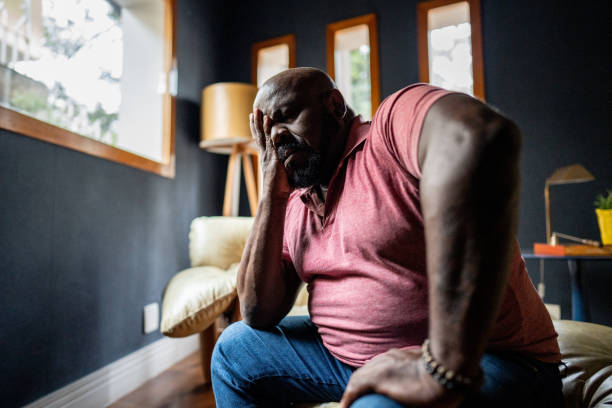
Losing Weight As A Heavy Man Takes More Than Willpower.

One thing many younger cats never hear is how emotional eating becomes part of survival. Some brothers were raised in homes where food meant comfort, celebration, or peace after stress. Sunday dinners in Southern households were serious business. Fried chicken, macaroni, cornbread, candy yams, peach cobbler, sweet tea, and giant portions were normal. Nobody talked about calories back then. Elders wanted you full because being skinny once represented struggle in many Black homes. As years pass, those habits stay attached to your spirit. A man may know grilled fish and vegetables are better choices, yet his mind still connects warmth and family with heavy plates from childhood. That battle happens quietly every single day.

Then there is pride. Big men from the South often grow into protectors. We become the ones carrying furniture, helping relatives move, standing between trouble and family members, or working labor jobs that punish the body. Many heavy brothers hide pain because we were taught real men keep moving no matter what hurts. That mindset becomes dangerous once health starts slipping. Some avoid doctors out of fear. Others refuse gyms because they do not want people staring. Walking inside a fitness center can feel humiliating when everybody appears sculpted for social media.

A large dude might already feel uncomfortable in regular stores, airplanes, restaurants, or public seating. Now imagine him trying jumping jacks while strangers secretly record videos for laughs online. That fear alone keeps countless people trapped at home.

The internet also made things worse. Folks see celebrity transformations and think every person has access to private chefs, trainers, surgery money, or endless free time. A regular working brother in Alabama, Georgia, Mississippi, or Texas may barely have enough energy left after paying bills and raising children. He cannot spend two hours making fancy meals with imported ingredients. Sometimes dinner comes from wherever stays affordable and filling. Cheap food usually carries grease, sugar, sodium, or oversized portions. That reality hits Black communities especially hard because healthier options often cost more. People shame heavy men without discussing economics. It is easier to lecture somebody than understand what survival mode truly looks like.

Another truth people ignore is how your body fights back once pounds start disappearing. A large frame dropping weight quickly can create exhaustion, mood swings, soreness, loose skin, headaches, and frustration. The scale may move slowly even after serious effort. Imagine staying disciplined for three weeks only to lose four pounds while somebody smaller drops ten. That mess can break your confidence. Brothers already dealing with depression, anxiety, heartbreak, or pressure from everyday life sometimes give up because results do not arrive fast enough. The mental side becomes heavier than the physical challenge. Every setback feels personal. Every cheat meal feels like failure.

I remember older men in my neighborhood saying something that stayed with me for years. They used to say a grown Black man carries everybody on his back except himself. That statement carried truth. Many brothers handle family emergencies, unexpected bills, sick parents, children needing shoes, relationship stress, and work pressure all at once. Somewhere inside that chaos, fitness gets pushed aside. Sleep becomes terrible. Water intake disappears.

Late night eating becomes routine because nighttime finally feels peaceful. Nobody notices how emotional exhaustion quietly shapes the body over time. Stress sits in the stomach, chest, and mind like bricks.

Still, none of this means change cannot happen. One thing Southern brothers understand better than anybody is resilience. We know how to survive rough conditions. The issue is learning patience instead of chasing perfection. A heavy man does not need to become an athlete overnight. Sometimes progress begins with smaller decisions repeated consistently. Drinking more water matters. Walking every evening matters. Cooking at home matters. Stretching helps. Better sleep helps. Portion control matters too. Many people ruin themselves trying extreme diets that leave them miserable. Slow improvement usually lasts longer because it fits real life.

The gym should never become the only symbol of health either. Some brothers enjoy lifting weights while others feel more comfortable outdoors. There are men losing inches through basketball, yard work, swimming, boxing, hiking, dancing, or simply staying active with family. Movement is movement. A large man carrying extra size already burns energy differently than somebody smaller. Consistency beats showing off. Social media turned wellness into performance art. Too many folks work out for pictures instead of longevity.

Older Southern men often understand the value of practicality. Feeling stronger, breathing easier, and moving without pain should matter more than impressing strangers online.

Support systems also change everything. A brother trying to improve around negative people faces uphill battles daily. Friends may joke whenever he refuses certain meals. Family members may pressure him during gatherings. Some people secretly dislike seeing discipline because it reminds them about their own habits. That is why encouragement matters. Sometimes a simple conversation can keep somebody focused another week. Older Black men especially need spaces where health conversations happen without shame. Too often we joke through pain until the damage becomes serious. There should never be embarrassment attached to wanting a longer life.

Many heavy brothers also struggle with self worth in silence. Society tells men we must always appear confident even when confidence disappeared years ago. Some hide behind humor. Others isolate themselves completely. Weight can affect dating, friendships, employment opportunities, and mental peace. A large man may smile publicly while privately feeling invisible. That emotional burden becomes difficult to explain unless you lived it personally. Losing pounds is not only about appearance. Sometimes it represents reclaiming dignity, hope, mobility, and control over life again.

At the end of the day, people should stop treating weight loss like some simple math equation. Real life carries history, trauma, culture, finances, exhaustion, and emotional baggage. Big men are not lazy by default. Many are fighting battles nobody notices while still showing up for work, family, and responsibilities every day. Coming from the South taught me that strength is not always loud. Sometimes strength looks like a tired brother deciding to keep going even after failing multiple times. Sometimes strength means choosing water instead of soda. Sometimes it means walking another block when your legs want rest. Growth happens one choice at a time.

Heavy brothers deserve grace during that process instead of ridicule. A little understanding could help more people than judgment ever will.

Staff Writer; Caleb Johnson
This brother writes about health, money, Black life, and whatever is going on in the community that people are talking about at the barbershop, at work, or around family. Some stories deal with taking care of yourself… Others touch on everyday struggles, goals, and news that affects Black folks across the country.