

(Akiit.com) Last week ExxonMobil shareholders voted overwhelmingly to “redomicile,” or relocate, the company’s legal headquarters to Texas. The decision marks an undeniable rebuke of the proxy adviser cartel and New Jersey’s corporate tax scheme, the highest in the U.S. at 11.5%. To be sure, the move is a smart, financially ...

(Akiit.com) Nearly everyone who is a college sports fan, myself included, knows the state of affairs in the NCAA is one fine mess. Especially regarding football and men’s basketball, the two major money-making sports, things have changed massively in the last few years – and mostly not in a good ...
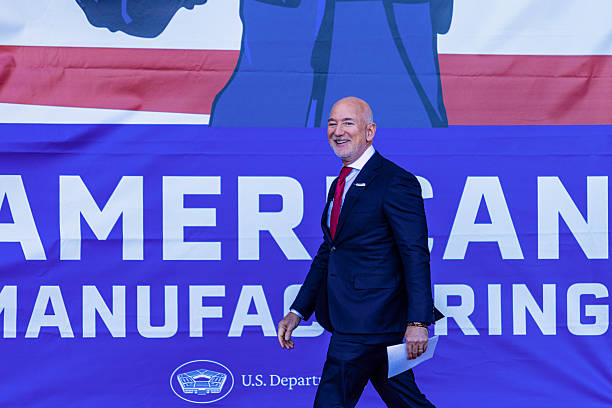
(Akiit.com) Socialism will always find an audience because it appeals to base envy and resentment. Ginning up a mob to be mad at “oligarchs,” “Wall Street barons,” “kulaks” or “billionaires” is cheap and easy. So, it was refreshing to hear Amazon founder Jeff Bezos, the fourth richest man on the ...
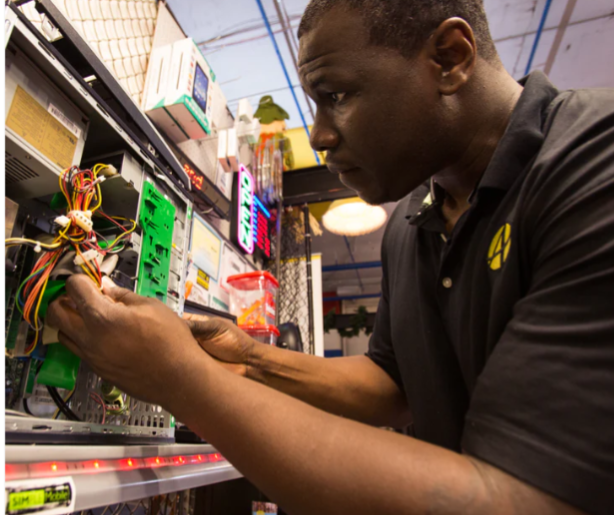
(Akiit.com) Willie E. Brake, an African American entrepreneur who was born with a disability, is the Founder of All About Technology, a Detroit-based business that is proudly celebrating 25 years of being ahead of the curve in expanding technology access, delivering trusted computer sales and service, and helping bridge the digital divide ...

(Akiit.com) Perhaps there are those of you who remember the 1968 film starring Richard Burton and Clint Eastwood about a secret World War II mission to rescue an Allied General deep inside Germany at the fictitious Schloss Adler. The movie itself was fiction, but it was indeed an action thriller. ...

(Akiit.com) A lot of families across the South know how to get through hard times. That knowledge got passed down from grandparents, aunties, uncles, and parents who learned how to survive with very little. Folks figured out how to make meals stretch another day. Lights stayed on somehow. Children still ...
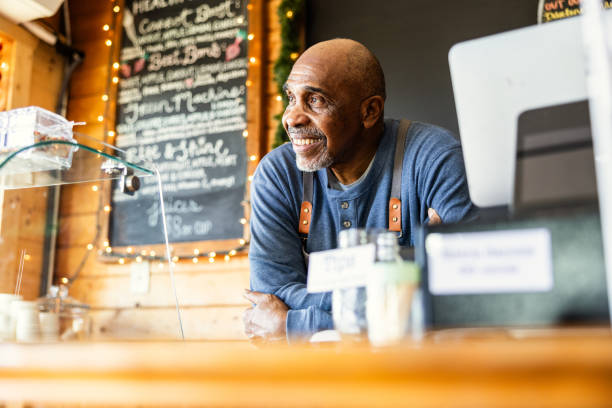
(Akiit.com) Living in Charlotte, NC long enough will make you notice something real quick. The city loves talking about growth, but everybody is not growing with it. Every year another luxury building goes up. Another expensive apartment pops up near neighborhoods where regular Black working folks been staying for decades. ...

(Akiit.com) In a Beijing conference room recently, I noted to a counterpart that the United States and the Soviet Union took more than a decade to build toward nuclear coordination after the Cuban Missile Crisis. “That did not end well for the Soviet Union,” was the reply. As Donald Trump ...

(Akiit.com) Young people now blame capitalism for poverty, racism, high prices, even climate change. They listen to people like Rep. Alexandria Ocasio-Cortez, who says, “Capitalism … is the absolute pursuit of profit at all human, environmental and social cost. That is not a redeemable system.” Give me a break. Yes, ...

(Akiit.com) The May 12 inflation report confirmed what many Americans already know in their bones: while economists debate indicators and politicians boast about growth, ordinary people increasingly feel as though they are running on fumes. Prices rise, stabilize briefly, and then rise again, while wages lag behind the escalating costs ...

(Akiit.com) What we are seeing in America today is something that Black people haven’t experienced in a very long time—citizenship with no workable Voting Rights Act in place. Immediately after the Supreme Court’s recent Louisiana v. Callais ruling, five southern states wasted little time in redrawing new congressional voting maps that ...

(Akiit.com) Caring for aging parents involves making many small decisions quickly. One of the most immediate, and often contentious, is determining what to do with their home. Not whether to move, but whether the space they live in now is safe for them. Few homes are designed for the way ...