
(Akiit.com) Growing up in the South, food meant everything. You could walk into somebody’s house and know exactly what kind of mood lived there by the smell coming from the kitchen. Fried chicken snapping in hot grease. Pots of greens bubbling low on the stove for hours. Candied yams sitting beside baked macaroni so thick and rich it barely held together on the spoon. Folks laughed louder around those meals. Problems got pushed aside for a little while. Family members who argued all year could still sit together once the plates came out. That is why soul food became such a powerful part of life inside the Black community. It carried comfort during times when comfort was hard to find anywhere else.
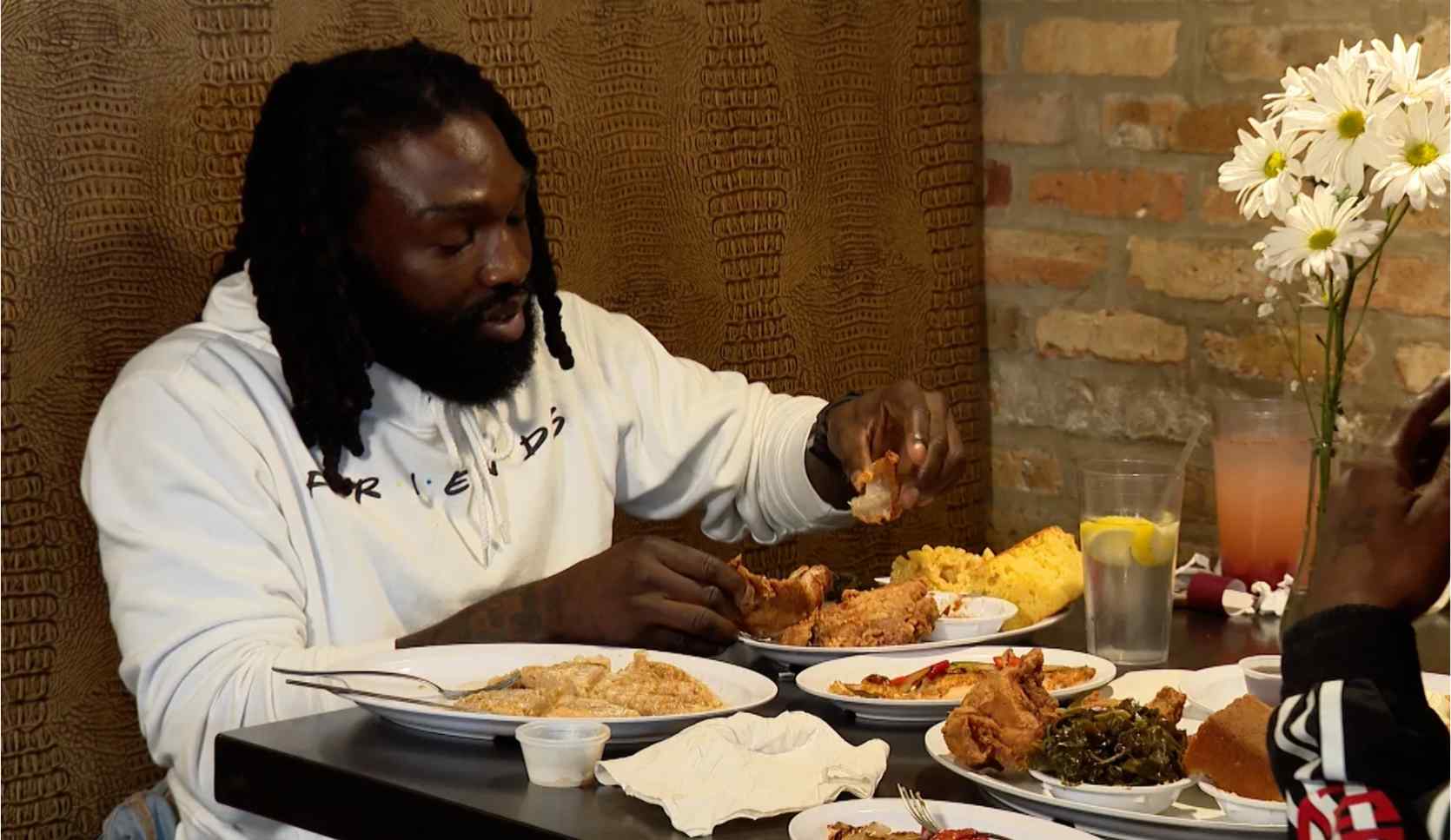
But truth has a way of showing itself whether people want to face it or not. A lot of families now look around and realize too many loved ones are getting sick younger than they should. Somebody always talking about blood pressure medicine. Somebody else checking sugar levels before eating dessert. Another person breathing hard after walking a short distance. Many Black men reach middle age already carrying health problems that slowly wear them down year after year. Plenty of Black women spend so much time taking care of everybody else that their own health gets ignored until doctors finally force serious conversations.
Older folks used to say certain meals “put strength on your bones.” Back then life demanded physical labor almost every single day. Men worked outside in brutal heat, lifted heavy equipment, spent long hours in factories, or handled jobs that burned energy nonstop. Women stayed moving too. Cooking, cleaning, raising children, washing clothes, gardening, and managing households kept people active from morning until nighttime. Heavy meals matched the lifestyle. Today things are different. Most people spend hours sitting down. Cars replaced walking. Screens replaced movement. But eating habits barely changed at all.
That mismatch creates problems over time. A body can only take so much grease, salt, sugar, processed meat, and oversized portions before warning signs start showing themselves. Maybe somebody notices swollen feet. Maybe energy disappears quicker than before. Maybe headaches become regular. Some ignore symptoms for years because the damage happens slowly. Nobody wakes up unhealthy overnight. It builds little by little while people keep saying, “I’m alright.”
Food also became emotional comfort for many people. Tough day at work? Grab fried food. Feeling stressed? Eat something sweet. Feeling lonely or drained? Go back for another plate. A lot of folks are not even eating because they feel hungry anymore. They are eating because certain meals remind them of safety, childhood, family reunions, or moments when life felt lighter. That emotional connection runs deep across Southern households.
Modern grocery stores made things worse too. Earlier generations often cooked with fresh ingredients straight from gardens or local markets. Now everything comes loaded with preservatives, chemicals, sodium, and artificial flavoring. Fast food became normal because people are tired, busy, and trying to survive. Quick meals slowly replaced balanced cooking. Soda replaced water in many households years ago. Snack foods became everyday habits instead of occasional treats.
Pride sometimes blocks honest discussion. Tell somebody their food contains too much sodium and feelings get hurt immediately. Suggest healthier cooking methods and suddenly folks think tradition is under attack. But wanting Black men and Black women to live longer should never sound disrespectful. There is nothing wrong with trying to protect your body before serious illness arrives.
Most people can think of somebody whose health declined because habits never changed. Maybe it was a grandfather who ignored every doctor warning until his heart finally gave out. Maybe it was an aunt who lost mobility after years of unhealthy eating. Maybe it was a father who kept saying he would “start next month” but never actually changed anything. These stories repeat themselves constantly because too many people normalize suffering instead of prevention.
Children pay attention to all of this too. They watch what adults eat. They notice how meals are prepared. If every family gathering turns into overeating, young people grow up believing excess is normal. If vegetables only appear drowned in grease and salt, healthier choices start looking impossible before kids even reach adulthood. Habits pass down quietly from one generation to the next.
Nobody is saying soul food should disappear. That would never happen anyway. The history connected to those meals runs too deep. The real issue is balance. Greens can still taste incredible without enough sodium to raise blood pressure through the roof. Chicken can be grilled or baked and still carry flavor. Water can replace some sugary drinks. Portion sizes can shrink without people feeling deprived. Small changes matter more than dramatic diets most people abandon after two weeks.
Exercise matters too. Earlier generations stayed active naturally because life demanded movement. Today staying healthy requires more intention. Walking around the neighborhood, stretching, lifting weights, or simply spending less time sitting can improve health tremendously over time. Too many Black men carry stress, exhaustion, poor eating habits, and lack of movement all at once. Eventually the body starts fighting back.
Money becomes another issue once health problems pile up. Prescription medication costs keep rising. Hospital visits create pressure on entire families. Some hardworking people spend retirement years inside clinics instead of traveling, relaxing, or enjoying life peacefully. Watching loved ones struggle through surgeries, dialysis, or mobility problems changes the way a person thinks about food forever.
The difficult part is that many health conditions connected to diet develop slowly enough for people to ignore them. One fried meal will not destroy somebody. The danger comes from years of imbalance without enough movement, hydration, rest, or moderation to offset the damage. Too much sugar. Too much grease. Too much sodium. Not enough fresh food. Eventually the body reaches a breaking point.
Many younger people already understand this but feel uncomfortable challenging family traditions openly. Nobody wants tension during holidays or cookouts. Nobody wants older relatives making jokes because somebody picked grilled fish over fried pork chops. Still, protecting your health sometimes means accepting temporary criticism from people who may not understand your decisions yet.
Healthy eating does not mean bland eating either. Fresh garlic, onions, herbs, peppers, smoked seasoning, and natural spices can create amazing flavor without overwhelming dishes with grease and sodium. Air fryers help. Grilling helps. Fresh ingredients matter. A healthier approach does not erase Southern culture. It simply updates old habits using better knowledge.
There also needs to be more honest conversation inside the Black community about prevention before tragedy happens. Churches, beauty salons, barbershops, gyms, and family gatherings should include real talk about nutrition and long term wellness. Too often people wait until somebody lands in a hospital bed before taking health seriously.
Life eventually teaches everybody the same lesson. Strength alone cannot outrun poor habits forever. A person may feel unstoppable while younger, but time changes things. Energy shifts. Recovery slows down. Blood pressure rises. Weight becomes harder to manage. Earlier choices begin revealing themselves physically whether somebody likes it or not.
Soul food will always hold emotional value throughout the South. Those meals carried families through difficult periods in American history. They brought comfort during painful moments and joy during celebrations. That history deserves respect. But real love also means evolving when necessary. A healthier future does not require abandoning tradition completely. It simply requires caring enough about Black men, Black women, and future generations to make wiser choices before more lives disappear too soon.
Email; CalebJ@Akiit.com.